
At 11 a.m. on Nov. 13, county boards of elections across North Carolina meet in public to canvass the vote, WECT reported. In the days before, they review provisional ballots: the ballots set aside because a voter's eligibility could not be confirmed at the polls. The state canvass follows on Nov. 24.
Some of those ballots come from voters on North Carolina's Registration Repair list. These are people whose registration records lack a driver's license number or the last four digits of a Social Security number, which the 2002 Help America Vote Act requires on new registrations. Under a 2025 court-approved settlement, and a 2026 party agreement awaiting the judge, those voters can cast provisional ballots that count in federal races.
It is a small door at the end of a long hallway. Here is the hallway.
How a voter becomes inactive
Federal law sets the rules. Under the National Voter Registration Act, a state may remove a voter who moved only after mailing a forwardable confirmation notice. If the voter does not answer and does not vote through two federal general elections, the state can remove them. The Supreme Court upheld that process in Husted v. A. Philip Randolph Institute in 2018. States may not run systematic removal programs within 90 days of a federal election.
The scale is large. In the 2022 to 2024 cycle, states sent 38.8 million confirmation notices and removed 21.3 million records, according to the U.S. Election Assistance Commission. About 23.2 million registrants were listed as inactive for 2024. Most removals are routine: people who moved or died. The fight is over the ones who did not.
The new tool
SAVE is a Department of Homeland Security system first built to check immigration status for benefits. Since 2025 it links to Social Security data and can run entire voter rolls. More than 65 million voters in 26 states have been run through it since May 2025, and 28,635 were flagged as potential noncitizens, according to a filing by U.S. Solicitor General D. John Sauer, as reported by NPR.
Texas offers the clearest test. The state ran about 18 million voters through SAVE and flagged 2,724, NPR and the Texas Tribune reported. About 20% of those flagged were later found to be citizens and reinstated, NPR reported, citing the state. In Travis County, 65 of 97 flagged names had already been verified by the Texas Department of Public Safety, the Washington Times reported. The same report said DHS lowered SAVE's target accuracy rate for manual reviews from 99% to 97%.
Christina Adkins, Texas's elections director, defended the results: "most of the data that we got out of SAVE was consistent with what DPS had." Anthony Nel, a Texas citizen removed after a mailed notice, told NPR: "There's no confirmation that someone received the letter."
The courts, so far
A federal district judge, Sparkle Sooknanan, ruled in June 2026 that "the federal government has knowingly trampled on the privacy rights of American citizens," NPR reported. In September, the Supreme Court let SAVE keep running while the case continues. Sauer had argued that the lower court's order "makes it harder to detect ineligible voters."
Separately, the Justice Department asked 44 states and Washington, D.C., for their voter rolls starting in May 2025, the Brennan Center reported. By Nov. 4, DOJ had filed 31 suits to get the data. Twenty-seven had been dismissed, and DOJ had won none, according to the University of Wisconsin's State Democracy Research Initiative. A federal court vacated DOJ's voter data collection policy on Oct. 9.
North Carolina's repair
North Carolina's version began with the 2024 state Supreme Court race. Republican Jefferson Griffin challenged more than 60,000 ballots. Federal Judge Richard Myers II, a Trump appointee, ruled for Justice Allison Riggs, writing that "Overseas military and civilian voters followed the rules as they existed at the time of the election," NC Newsline reported. Riggs won by 734 votes after two recounts.
The State Board then settled a federal lawsuit over missing ID numbers. The repair list fell from 103,329 records in July 2025 to 70,709 by Jan. 30, 2026, Carolina Journal reported. A GOP petition had claimed about 225,000 voters were "erroneously deemed 'registered.'" Raleigh voter Mary Kay Heling put the other side plainly in a Brennan Center statement: "If you do everything right, you shouldn't have to fight to keep your right to vote."
The last line
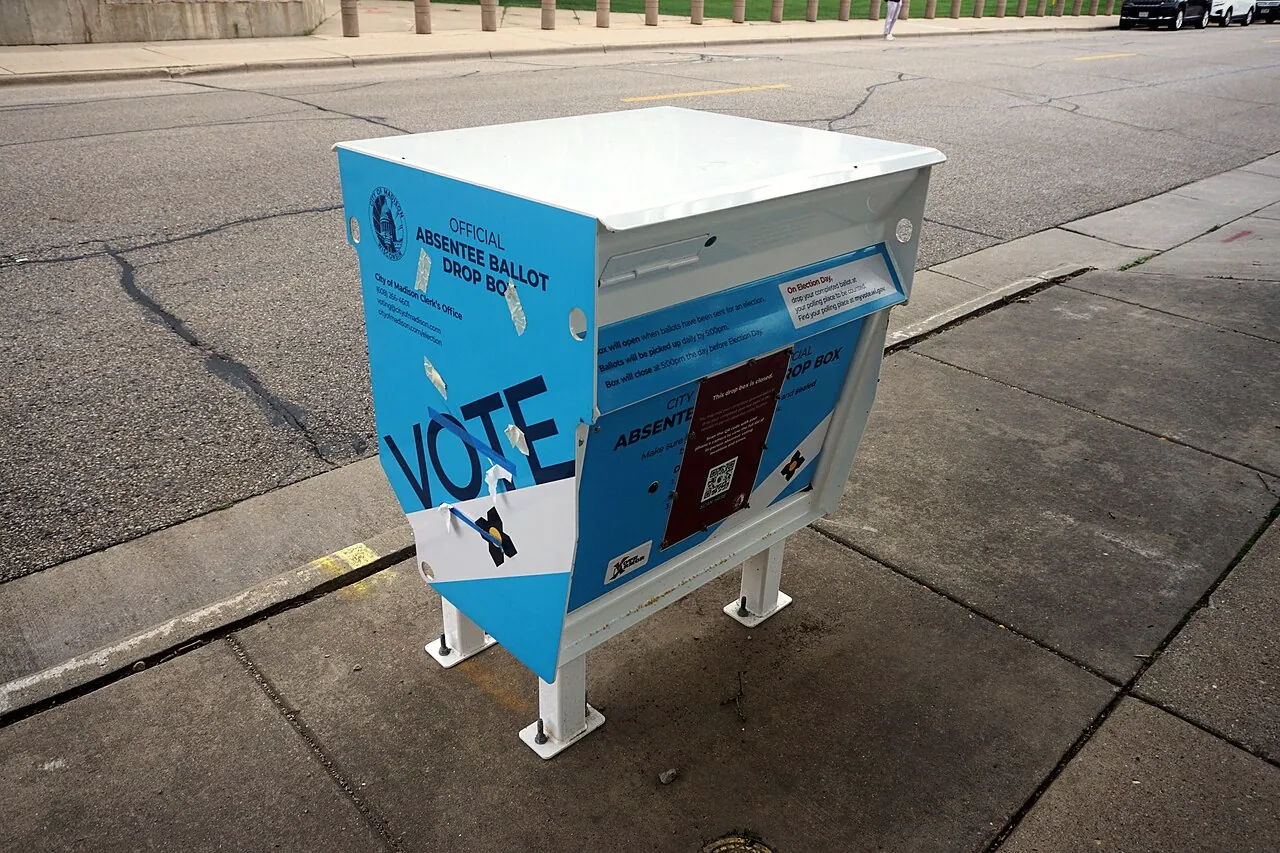
When a record is in doubt, the provisional ballot is the backstop. Nationally, about 1.74 million were issued in 2024 and about 1.28 million were counted in full or in part, according to MIT's Election Data and Science Lab, using EAC data. About 436,000 were rejected. Roughly half of rejections were because the voter was not on the state's list.
Use varies widely, from less than 0.01% of voters in Michigan to 4.95% in Maryland, MIT found. A provisional ballot is a promise to check. Whether it counts depends on the check.
The case for tighter rolls
The argument for aggressive list maintenance is owed full strength. Clean rolls protect every eligible vote from dilution, and federal law requires states to keep them. USCIS spokesman Zach Kahler said the agency "continues to strengthen the SAVE program and encourages all states to utilize it." Rosemary Jenks of the Immigration Accountability Project said a 98% accuracy rate was good: "I'm pretty happy with that for a government program."
The answer from election officials is about cost per mistake. Minnesota Secretary of State Steve Simon said, "What you don't want out of the system is innocent people to be fingered as illegal voters." Chris McGinn of the Texas Association of County Election Officials called the idea of mass noncitizen registration "just false." DHS's own privacy assessment warns that "the SAVE program may produce inaccurate results," NPR reported.
What we owe each other
A 97% accuracy target sounds like a good grade. Applied to the 28,635 names flagged nationally, a 3% error rate would still mean hundreds of people. Each eligible voter among them did nothing wrong and now has to prove it.
Scanlon's test fits a voter roll better than most things. Could the state justify removing an eligible voter, on grounds that voter could not reasonably reject? "The database said so" is not one.
Watch the county canvasses on Nov. 13, the state canvass on Nov. 24, and what DOJ does with its deadline to seek Supreme Court review in its Michigan voter data case.