
The biggest one-election shift in state partisan power since 2010. That is how Katie Owens Hubler of the National Conference of State Legislatures described Nov. 3 to the AP. Democrats flipped the North Carolina, Texas and Georgia Houses, the Pennsylvania Senate and both Wisconsin chambers.
Winning a chamber and running one are different things. The new majorities do not take the gavel until January. Until then, the old majorities still hold it, and some of them plan to use it.
The gap before the gavel
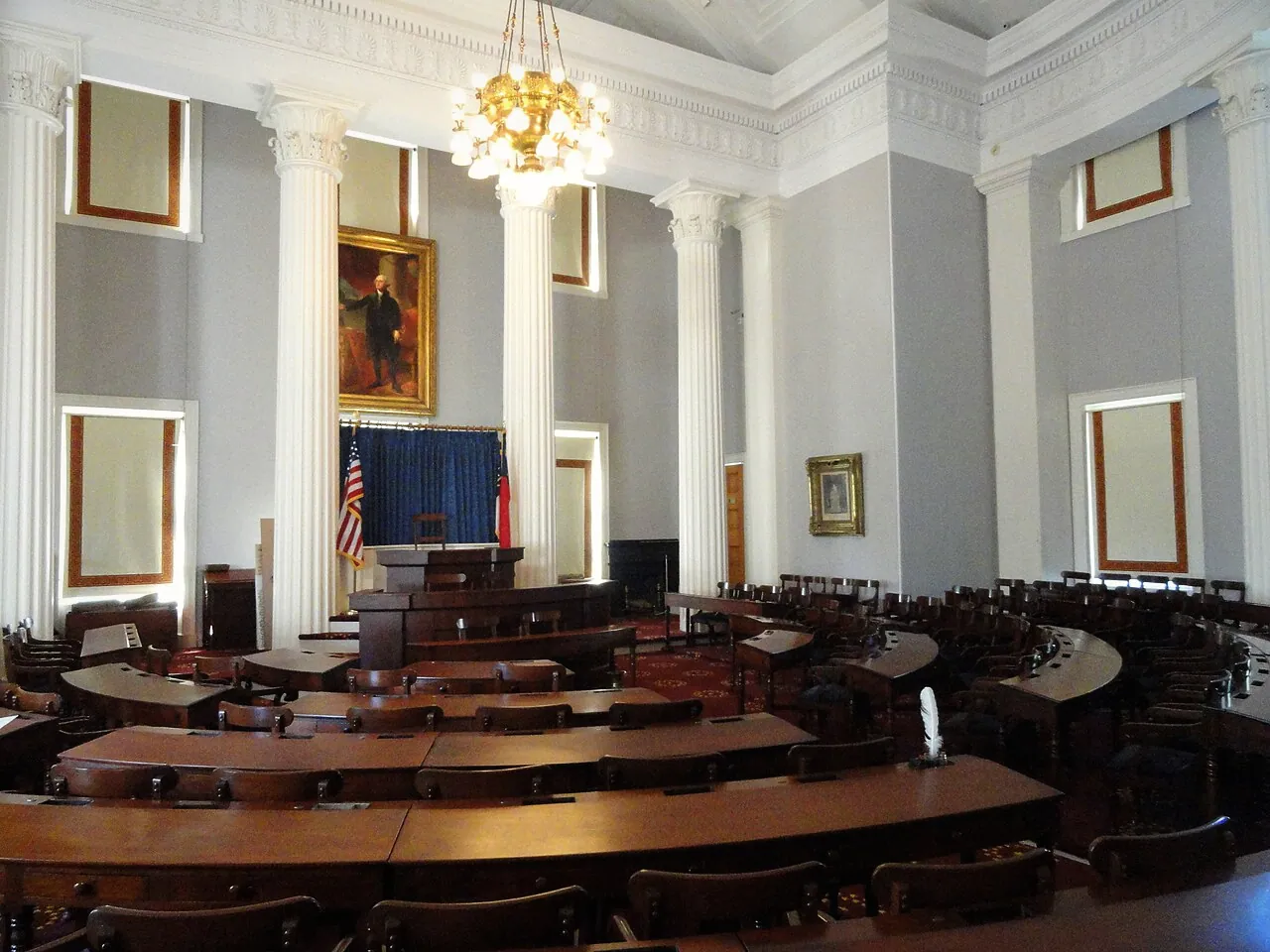
North Carolina Republicans return to Raleigh on Nov. 16. The General Assembly scheduled sessions Nov. 16 to 19 and Nov. 30 to Dec. 18, limited to veto overrides, appointments, constitutional amendments, conference reports and concurrence votes, Carolina Journal reported. House Democratic Leader Robert Reives said in August, "I'm not a fan of lame duck sessions." Speaker Destin Hall answered the same month: "Members of this body are elected for two years, and that runs through December."
North Carolina has done this before. In 2016, after Roy Cooper won the governor's race, Republicans passed laws cutting the incoming governor's powers. In 2024, a lame-duck law moved State Board of Elections appointments from the governor to the state auditor. Reives called the 2016 session "the meanest thing I had seen somebody do," WUNC reported.
In Texas, Republican state Rep. Brian Harrison asked Gov. Greg Abbott to call a special session to curb the governor's emergency powers before Gov.-elect Hinojosa takes office, FOX 4 reported. Harrison described those powers as "what are effectively all the powers of a dictator in the state of Texas." No response from Abbott was reported.
In Wisconsin, the legislature can call itself into an extraordinary session without the governor, according to the Wisconsin Legislative Council. Republicans used that power in December 2018 to limit Gov.-elect Tony Evers. No such plan has been reported this year. Assembly Speaker Robin Vos posted a warning after the election, WPR reported: "Hold on to your wallets."
The second front: Senate rules
Two of the new Democratic lieutenant governors will preside over Republican Senates. Their power comes from the Senate's own rules, which a simple majority can rewrite.
In Texas, Quorum Report editor Scott Braddock told KPRC that Senate Republicans could strip Lt. Gov.-elect Goodwin's powers through the rules. "It'll be criticized as a power grab, but I do see that as likely," he said. In Georgia, analyst Ben Taylor predicted in September that with a Republican Senate, Lt. Gov.-elect Josh McLaurin's power "will very likely be stripped," Atlanta News First reported. Nothing has been adopted in either state. Georgia Gov. Brian Kemp has ruled out calling lawmakers back early: "I will not be calling a special session of the Georgia General Assembly."
The 100-day map
| State | Convenes | Budget | What can change | What stays locked |
|---|---|---|---|---|
| North Carolina | Second Wednesday in January, under G.S. 120-11.1 | Two-year plan already in place | House rules, committee chairs, which bills move; Gov. Stein's vetoes become hard to override | Republican Senate, 26 to 24; laws passed in the lame duck stand unless repealed |
| Texas | Jan. 12, per KPRC; Hinojosa sworn in Jan. 19, per FOX 4 | Two-year budget | House committee chairs and bill flow; a new governor's vetoes and appointments | Republican Senate, 19 to 12, and its rules |
| Georgia | Jan. 11, with a House speaker vote that day | Annual | House rules and committees; Gov. Bottoms's budget and vetoes | Republican Senate, 29 to 27; a bill needs 29 votes |
| Pennsylvania | Members sworn in Jan. 5 | Annual, due June 30 | Full trifecta: Senate rules, chairs, bills the House already passed | A 26-seat Senate majority leaves no room for defections |
| Wisconsin | First Monday in January | Two-year budget, 2027 to 2029 | Rules, committees, the budget, cannabis and school funding | An 18 to 15 Senate; the 2018 lame-duck laws stand unless repealed |
North Carolina's count matters most for override math. ABC11 reported Democrats won 71 of 120 House seats, one short of 72, and WUNC noted the final count could change after recounts. The Texas House stands at 83 Democrats to 67 Republicans if results hold. Georgia Democrats reached 91 of 180 seats, with one district separated by 27 votes and a Dec. 1 runoff in House District 151, Atlanta News First reported.
Who leads
Reives was introduced at an election-night event as the next House speaker, WUNC reported. In Texas, Rep. Senfronia Thompson has declared for speaker, backed by at least 11 Democrats including caucus chair Gene Wu, according to KUT. In Georgia, Rep. Carolyn Hugley could become the first woman and first person of color to hold the gavel. In Wisconsin, Greta Neubauer is expected to lead the Assembly and Dianne Hesselbein the Senate.
The case for going slow
The outgoing majorities have an argument, and they are owed it. Hall's point stands on the calendar: legislators elected in 2024 serve through December. Georgia House Speaker Jon Burns said his caucus remains "strong, resilient and committed." Kemp's line was simpler: "The voters of our state have spoken."
The new majorities face a practical warning of their own. Michigan State political scientist Matt Grossman told Governing: "When you have a small majority you need everybody." Wu was blunt about the temptation to retaliate: "I don't think anybody has any desire to change the rules the Republicans shoved down our throats."
What the new majorities promise
- Georgia Senate Minority Leader Harold Jones II: "To deliver on these promises starts today, not in January."
- Pennsylvania House Speaker Joanna McClinton, on the budget: "We will finally have one on time."
- Pennsylvania Senate Democratic Leader Jay Costa, on holding power: "we don't want to just have a majority for two years."
- Neubauer, in Wisconsin: "With this trifecta, we will end decades of Republican obstructionism." And: "I hope to gain Republican support in doing that."
What we owe each other
A majority is a promise about who gets heard. The lame duck tests the old majority: will it use its last weeks to serve the voters who elected it, or to bind the voters who replaced it? January tests the new one. The voters who flipped these chambers will be watching both.
Watch Nov. 16 in Raleigh. Then watch the first rules votes in January, which decide more than any speech.