
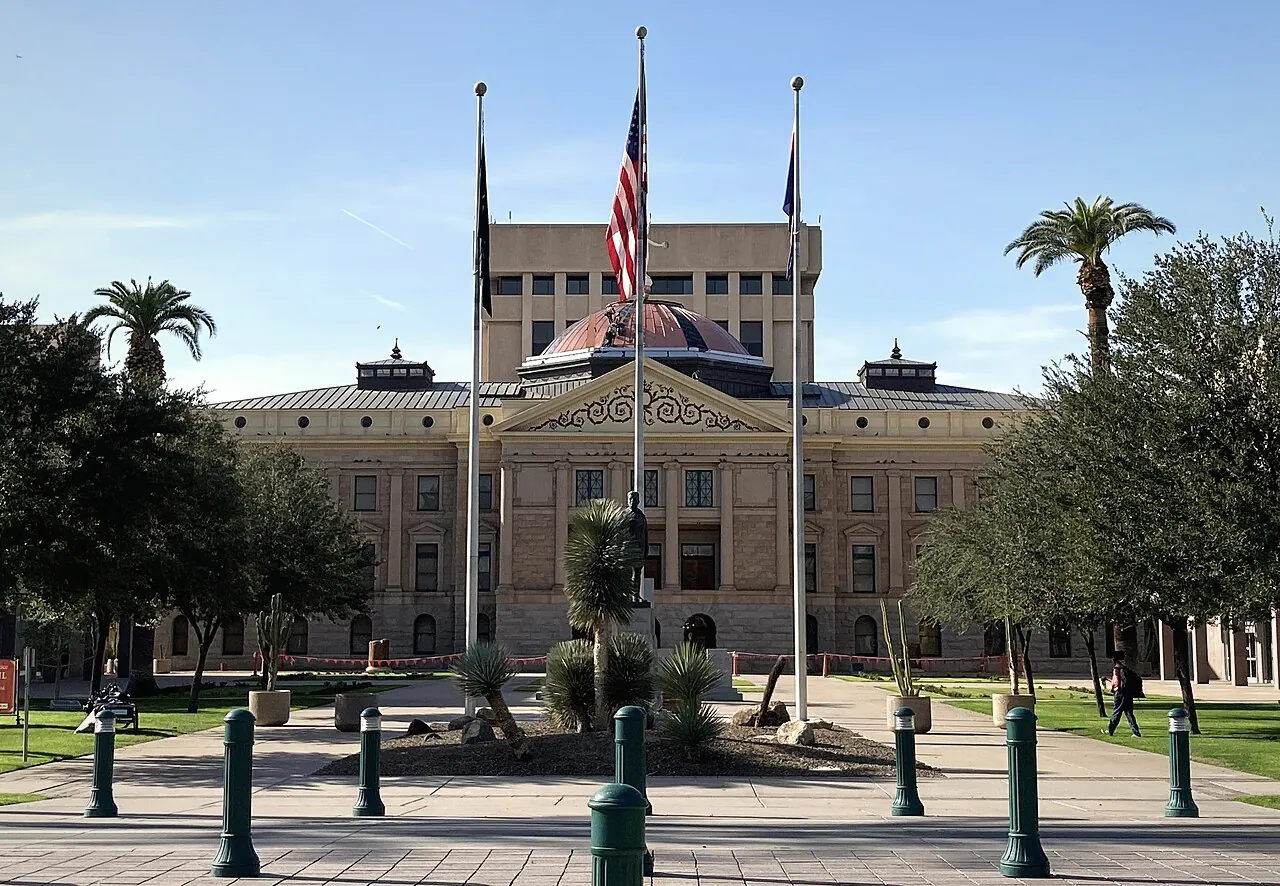
In 1966, Arizona Democrats held the governor's office and both chambers of the Legislature. They have not held all three since. On Nov. 3, that sixty-year gap closed. Unofficial results reported by KTAR show Democrats winning 20 of 30 Senate seats and 37 of 60 House seats, if the counts hold. Gov. Katie Hobbs won a second term.
Two years ago the map ran the other way. Republicans held the House 33 to 27 and the Senate 17 to 13, KTAR reported. Democrats last controlled the Senate in 1992 and the House in 1966.
Who holds the gavels
The Democratic caucuses moved fast. The House caucus chose Rep. Oscar De Los Santos of Laveen as speaker, KJZZ reported; the full House makes it official in January. Rep. Nancy Gutierrez of Tucson will be majority leader, with Rep. Quanta Crews of Phoenix as speaker pro tempore and Reps. Brian Garcia and Kevin Volk as whips.
In the Senate, Sen. Priya Sundareshan of Tucson becomes president. Sen. Alma Hernandez will serve as president pro tempore, Sen. Christine Marsh as majority leader and Sen. Analise Ortiz as whip.
De Los Santos framed the win around cost of living. "It's very clear that our priorities, an Arizona that we can afford, resonated with the people of Arizona," he told KJZZ. He also promised his caucus would "govern like adults." Sundareshan said her members "have been ready to go at the beginning of this year with a set of legislation addressing those issues," per KTAR.
What changes first
The first fight is likely the state's universal school voucher program, known as Empowerment Scholarship Accounts. Gutierrez told KJZZ the caucus would start with a voucher reform measure that failed to reach the ballot. Hobbs has proposed redirecting the program's roughly $1 billion cost to public schools, KJZZ reported.
Taxes come next. Sundareshan said Arizona's flat income tax penalizes lower-income residents, according to KJZZ. Democrats also plan to revive bills that died in the Republican Senate, including limits on price gouging during emergencies and limits on shifting data center power costs onto household bills.
Election law is the third front. Votebeat reported that Democrats want to restore the Permanent Early Voting List, which a 2021 law renamed and set up to purge voters who skip mail ballots, starting in January 2027. "I think there's statewide appetite to restore PEVL," Garcia said. Lawmakers are also weighing automatic or same-day registration and repealing a proof-of-residency rule that tribal voters without standard street addresses struggle to meet. Sen. Lauren Kuby told Votebeat some changes could go to voters as constitutional amendments, which would make them harder to undo.
The Republican case
Republicans are owed their argument at full strength, and they have made it plainly. Senate President Warren Petersen called the GOP Legislature "the red wall keeping Arizona from turning into California for the last four years," Cronkite News reported. Senate Majority Leader John Kavanagh predicted voters would have "buyer's remorse."
After the results, Rep. Justin Wilmeth of Phoenix defended the record: the flat income tax and the lower corporate rate. He argued the election was a referendum on President Trump, not a mandate for Democratic policy, and warned Democrats against moving too far, too fast, KJZZ reported.
That warning carries weight. A two-year majority can be undone in two years. Votebeat noted that limited money and uncertainty about holding the majority in 2028 may slow the most ambitious plans.
What to watch
- Jan. 11: the session opens, per Votebeat, and the House elects its speaker.
- The voucher bill: whether Democrats cap, means-test or restructure the program, and whether Hobbs signs it.
- The PEVL repeal: whether it moves before January 2027 removals begin.
- The flat tax: whether Democrats reopen it in their first budget or wait.
Arizona Democrats waited sixty years for the whole machine. The test now is whether they run it like a party that plans to keep it.
Results are unofficial until each state certifies them. This piece is part of The State's series on the 12 legislative chambers that changed party control on Nov. 3, all of them to Democrats, according to Ballotpedia. For the overview, read The Flip.