
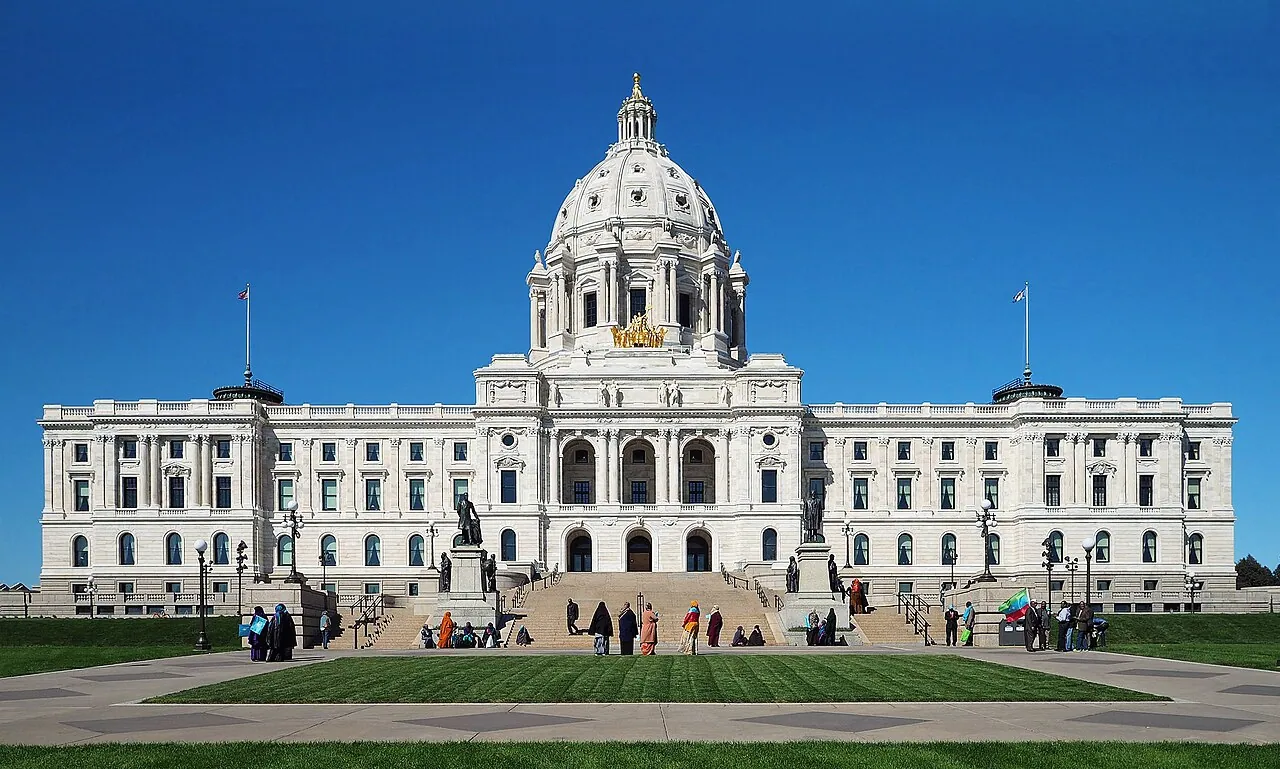
For most of the last two years, the Minnesota House belonged to no one. The 134 seats split 67 to 67. The session opened in January 2025 with Democrats boycotting the floor for three weeks, Axios reported, until the parties signed a power-sharing deal that made Republican Lisa Demuth speaker. Every bill needed both sides.
On Nov. 3, voters ended the tie. Unofficial results reported by KTTC give the DFL, Minnesota's Democratic party, 77 House seats to 57 for Republicans. In the Senate, which the DFL entered with a single-seat 34 to 33 edge, the count stands at 39 to 28. With the governor's office also in DFL hands, FOX 9 reported, the party regains the trifecta it held in 2023 and 2024.
The new leaders
The caucuses met in the days after the election. House DFLers chose Rep. Zack Stephenson as speaker-designate, KTTC reported. Senate DFLers kept Erin Murphy of St. Paul as majority leader.
"We will be laser-focused on making life more affordable for Minnesotans," Stephenson said. Murphy pointed to turnout: "Minnesotans voted in record numbers, higher than we have seen before."
Republicans named their own leaders for the minority. House Republicans picked Rep. Harry Niska of Ramsey, a former GOP floor leader. Senate Republicans chose Sen. Jordan Rasmusson of Fergus Falls, a second-term senator.
From veto points to a clear lane
A tie is a veto machine. Under power-sharing, every committee and every floor vote needed buy-in from both caucuses, which gave each side the power to stop the other and neither side the power to finish anything alone.
A 20-seat House margin removes that brake. It also removes the excuse. The DFL's last trifecta, in 2023 and 2024, ended when the House slipped back to a tie, FOX 9 noted. The new majority has seen how fast that room can close.
The Republican case
The minority leaders were brief and pointed. "We are resolved that we have a tough task ahead of us," Niska said. Rasmusson cast his caucus as the voice for people outside the majority's coalition: "Our team is united and ready to speak for those who have been left behind by Democrat priorities."
That is the argument Republicans will press for two years: that a trifecta spends what it wants and answers to no one. Whether it lands depends on what the DFL does with the room it just won.
What to watch
- January organization: Stephenson's formal election as speaker, and how the House rewrites committee rules after two years of split control.
- The first affordability bills: what "laser-focused" means in dollars.
- Rasmusson's Senate caucus: whether a smaller minority bargains or blocks.
- The 2028 map: every DFL vote will be weighed against the last time the party held the whole Capitol.
The tie is gone. With it goes the cover that both parties enjoyed when nothing passed. Minnesota voters will now see exactly what one party does with the whole Capitol.
Results are unofficial until each state certifies them. This piece is part of The State's series on the 12 legislative chambers that changed party control on Nov. 3, all of them to Democrats, according to Ballotpedia. For the overview, read The Flip.